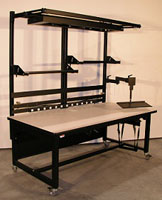
A laboratory workbench, often simply called a lab bench, is a work table that provides the space and surface to conduct tests and procedures, store lab equipment, and create workstations for technicians or students in a scientific laboratory. These are used mostly in chemical and biological sciences. Read More…
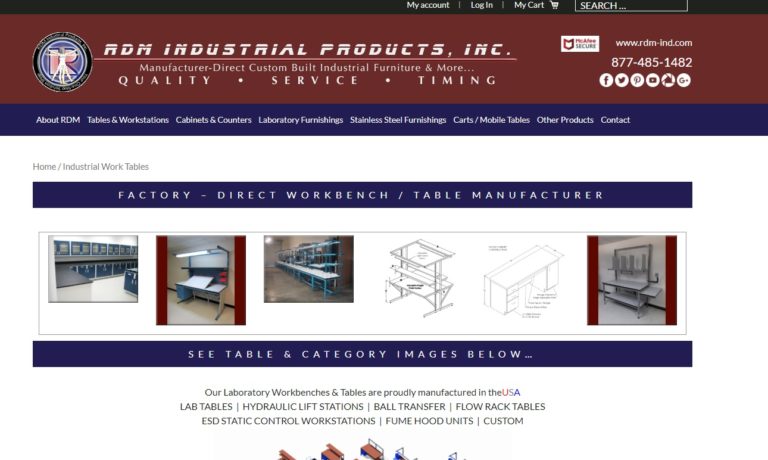
Our workbenches come in a variety of styles including ergonomic height adjustable, chemical resistant, ball transfer surface, computer stations, laminar flow stations and more.
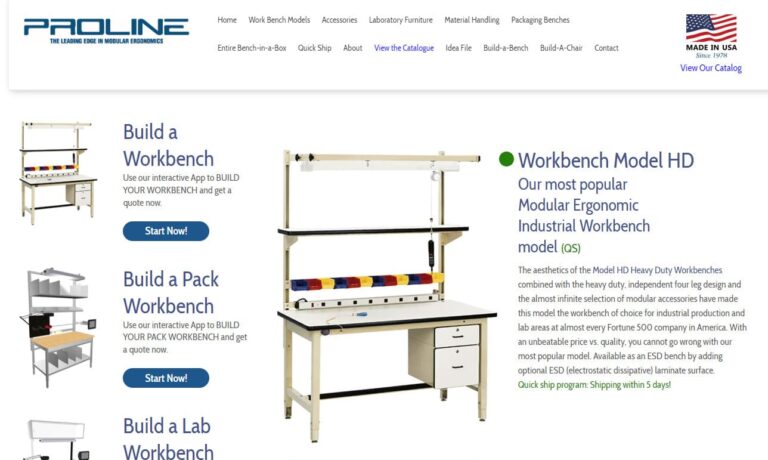
As a workstation manufacturer, Pro-Line offers industrial furnishing that increases employee productivity through creating an improved employee work environment.
At Industrial Profile Systems, we take pride in designing and manufacturing high-quality workstations that elevate efficiency, organization, and safety in industrial and commercial environments. We specialize in creating durable, modular, and ergonomically optimized workstations tailored to the unique needs of our customers, whether they require single-user setups, multi-station configurations,...

At Teclab Kalamazoo Technical Furniture, we take pride in designing and manufacturing high-quality technical workstations and furniture solutions that meet the needs of demanding professional environments. We specialize in creating durable, ergonomic, and highly functional workstations that support laboratories, research facilities, manufacturing operations, and technical workspaces of all sizes.

At Hergo Ergonomic Workspace Solutions, we dedicate ourselves to creating work environments that enhance comfort, efficiency, and productivity. We design and manufacture high-quality ergonomic workstations, tailored to meet the diverse needs of modern offices, industrial facilities, and technology-driven spaces.




More Laboratory Workbench Manufacturers
Laboratory Benches: Features, Options, and Applications
Laboratory benches, also known as lab benches, laboratory workbenches, or scientific workstations, form the central workspace in virtually every laboratory environment. Whether in academic research, industrial testing, pharmaceutical development, or healthcare diagnostics, laboratory benches provide a stable, durable, and customizable foundation for essential laboratory activities. Choosing the right laboratory bench is crucial for workflow efficiency, safety, compliance, and ergonomic comfort.
Key Features of Laboratory Benches
Modern laboratory benches are engineered with a focus on stability, durability, and adaptability. To aid in stability and safety, these benches often feature heavy-duty locking casters, allowing for secure positioning and flexible lab layouts. Casters enhance mobility—making it easier to reconfigure workspaces as research needs evolve—while the locking function prevents unwanted movement during critical procedures.
When evaluating laboratory bench materials, common choices include:
- High-Density Polyethylene (HDPE): Offers chemical resistance and easy cleaning, ideal for wet labs or environments handling corrosive substances.
- Wood: Often used for dry labs or electronics work, providing a traditional look, though not suitable where stringent contamination control is required.
- Metal: Stainless steel or powder-coated steel frames deliver strength, long-term durability, and resistance to microbial growth.
- Specialty Surfaces: Options such as phenolic resin, epoxy resin, or granite are available for applications demanding specific chemical, heat, or scratch resistance.
Looking for guidance on which laboratory bench material best fits your application? Explore our Lab Bench Material Selection Guide for detailed comparisons.
Lab Bench Shelf Designs & Storage Solutions
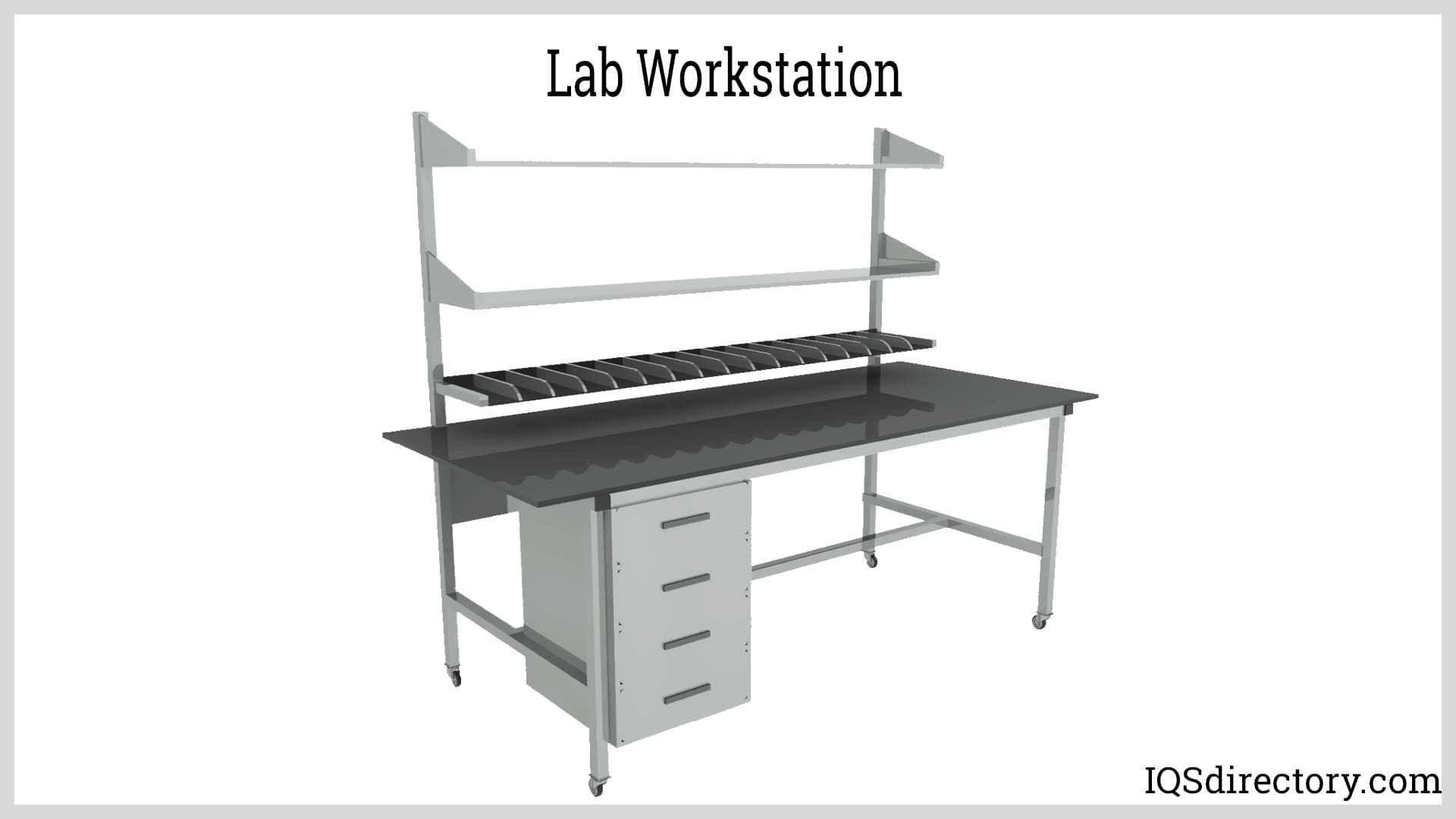
Shelving and storage greatly influence laboratory organization and workflow. Laboratory benches can be customized with a variety of shelving options, including:
- Free-standing shelves (folding or tubular): Provide flexible space for frequently used items or temporary storage.
- Bottom shelves: Optimize under-bench space for bulk supplies or equipment.
- Pull-out and adjustable top shelves: Offer ergonomic access and adaptability for changing project needs.
Additional laboratory bench accessories further enhance functionality and user comfort. Common options include, but are not limited to:
- Integrated power strips and surge suppression plug strips for safe and convenient equipment operation
- Workbench frame plugs and upright sets for modular expansion
- Overhead lights and undershelf lighting to improve visibility and support accuracy in detailed work
- Footrests for improved ergonomics during extended procedures
- Bin box rails and panel systems to organize tools, pipettes, and consumables
- Cabinets and drawer sets featuring corner adaptors, filler panels, modesty panels, apron drawers, apron fillers, and powered back guards for secure and efficient storage
Searching for lab bench storage ideas or ways to optimize laboratory organization? Browse our complete line of laboratory bench accessories for more inspiration and technical specifications.
Technology Integration: Computer-Ready Lab Benches
As laboratory workflows increasingly rely on digital data capture, analysis, and automation, integrating technology into lab benches has become essential. Modern laboratory benches can be outfitted with:
- LCD monitor holders and adjustable monitor arms for optimal screen positioning
- Dedicated CPU holders and secure computer mounts to protect sensitive electronics
- LAN stations for networked device support
- Keyboard trays and cable management systems to reduce clutter and prevent accidental disconnects
Wondering how to select a computer-ready lab bench? Our Computer Lab Bench Buying Guide walks you through compatibility, cable routing, and workspace ergonomics.
Customizable Laboratory Bench Designs
Every laboratory has unique requirements, from safety regulations to specialized research protocols. Manufacturers offer extensive customization options to ensure your lab bench meets precise operational needs:
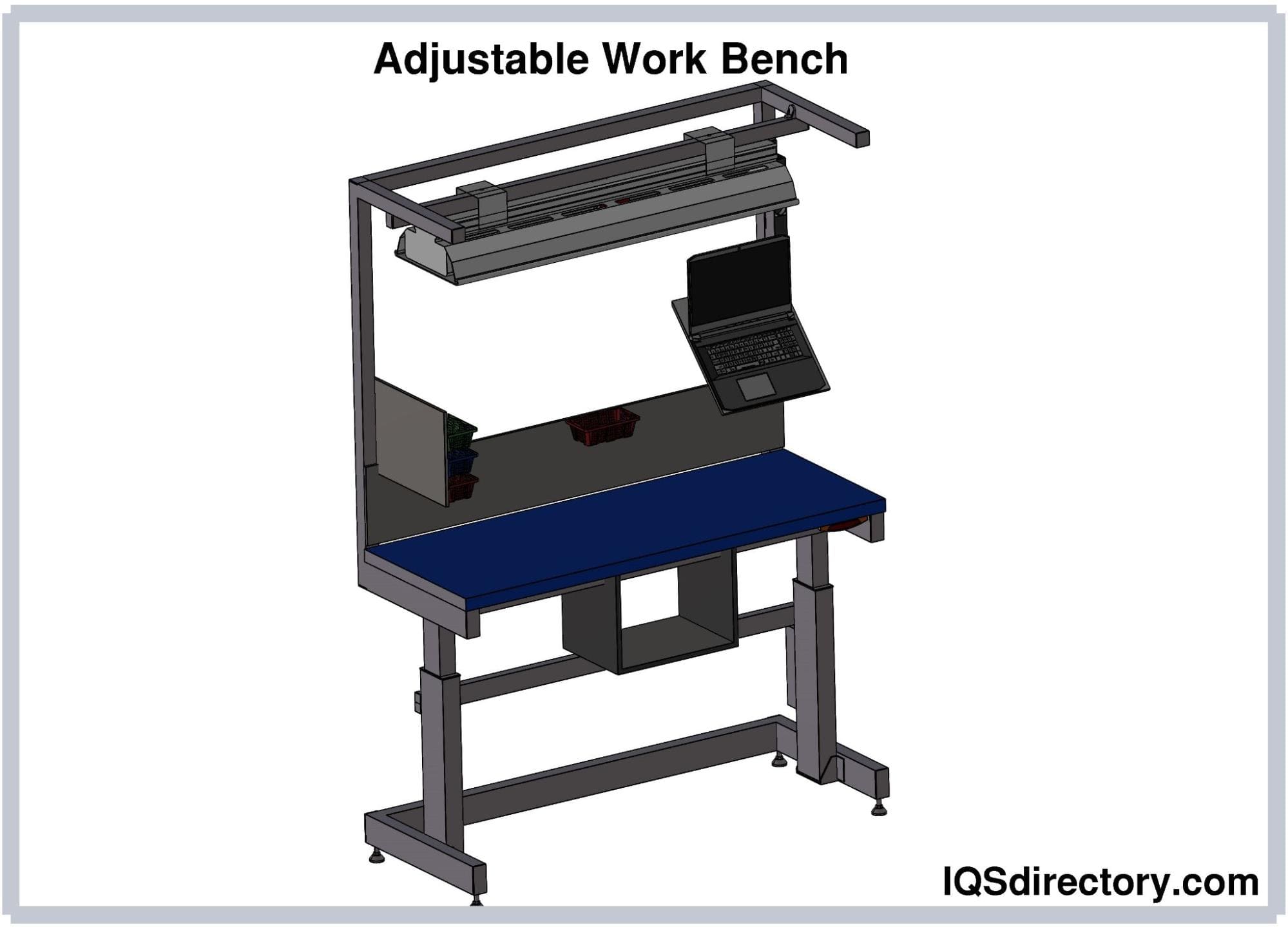
- Adjustable-height bench legs: Accommodate users of various heights and support both seated and standing work, enhancing ergonomic comfort and accessibility.
- Material restrictions: Benches can be built without wood or volatile organic compounds (VOCs) to comply with cleanroom, pharmaceutical, or biosafety standards.
- Specialty materials: Granite, phenolic, or anti-static surfaces are available upon request for highly specialized environments.
- ESD protection: For electronics assembly and sensitive instrumentation, anti-static lab benches prevent electrostatic discharge damage.
- Fume hood and ventilation integration: Custom cutouts and mounts allow seamless compatibility with laboratory ventilation systems.
Need help specifying a custom laboratory bench? Contact our lab furniture design team for a free consultation and quote.
Applications and Use Cases for Laboratory Benches
Laboratory benches are indispensable across a wide range of scientific, educational, and industrial settings. Key applications include:
- Academic laboratories: Chemistry, biology, and physics labs in schools, colleges, and universities benefit from modular benches that support collaborative learning and flexible teaching setups.
- Clinical and medical labs: Pathology, genetics, and diagnostics facilities require chemical-resistant, easy-to-sanitize surfaces to ensure patient safety and regulatory compliance.
- Pharmaceutical research and development: Drug discovery labs demand durability, precise storage, and cleanability to maintain sample integrity.
- Industrial testing and quality control: Manufacturing and materials testing labs need heavy-duty benches that withstand vibration, heavy equipment, and corrosive agents.
- Electronics assembly and prototyping: ESD-safe benches are essential for protecting sensitive circuit boards and components during production and testing.
- Forensics and environmental analysis: Specialty benches with integrated sinks, exhaust systems, or containment features support unique investigative workflows.
- General research and development: Adaptable lab benches accommodate a wide variety of experiments, from analytical chemistry to biotechnology and engineering.
Curious about how laboratory benches can be customized for your specific industry? Explore our detailed lab bench application guides for tailored recommendations.
Benefits of Custom Laboratory Workbenches
Investing in a customizable laboratory bench delivers multiple advantages:
- Enhanced workflow efficiency: Purpose-built storage, integrated power, and ergonomic design reduce setup times and support uninterrupted experimentation.
- Improved safety: Chemical-resistant, flame-retardant, and VOC-free materials mitigate risk and support regulatory compliance.
- Durability and longevity: Industrial-grade construction and quality materials ensure long-lasting performance under demanding conditions.
- Adaptability: Modular components and adjustable features allow labs to scale and evolve as research needs change.
- Professional appearance: Custom finishes and coordinated accessories project a clean, organized, and high-tech image to visitors, clients, or accreditation boards.
Ready to see how a new laboratory bench can transform your lab? Request a quote today for personalized pricing and design assistance.
Factors to Consider When Choosing a Laboratory Bench
When researching and comparing laboratory benches for purchase, keep these critical decision factors in mind:
- Intended application: Match bench features and materials to your specific research, teaching, or production needs.
- Material compatibility: Consider chemical resistance, heat tolerance, and cleanability for your primary lab activities.
- Space constraints: Measure your available floor plan and consider modular configurations that maximize usable workspace.
- Ergonomics: Adjustable heights, footrests, and proper lighting support user well-being and productivity.
- Technology integration: Plan for data acquisition, instrument connectivity, and future equipment upgrades.
- Compliance and safety: Ensure benches meet industry standards for your field, such as OSHA, CDC, ISO, or GMP guidelines.
- Budget: Balance upfront cost with expected lifespan, maintenance, and flexibility for future needs.
Wondering how to compare laboratory bench models and pricing? See our comprehensive buying guide for expert tips and downloadable checklists.
Frequently Asked Questions About Laboratory Benches
- What is the best lab bench material for chemical resistance? Epoxy resin and phenolic resin are top choices for chemical-intensive labs, while stainless steel is also popular for corrosion resistance and easy cleaning.
- How do I maintain and clean my laboratory bench? Regularly wipe surfaces with approved lab disinfectants, check for chemical spills, and follow the manufacturer’s maintenance instructions for specific materials.
- Can I retrofit my existing lab benches with new accessories? Many accessories, such as power strips, shelves, and lighting, can be added to compatible bench frames—check with your supplier for compatibility and installation guidance.
- Are height-adjustable laboratory benches worth the investment? Adjustable benches support both seated and standing work, reduce repetitive strain, and accommodate multiple users—making them a sound investment for multi-use labs.
- Which lab bench features support laboratory safety? Chemical-resistant surfaces, fire-retardant materials, rounded corners, integrated spill containment, and anti-static features all contribute to a safer laboratory environment.
Why Choose Our Laboratory Benches?
Our laboratory benches are engineered to deliver unmatched performance, adaptability, and value for laboratories across every sector. We provide:
- Extensive customization options, from bench size and material to modular shelving and integrated technology
- Expert design support to help you specify solutions that meet your workflow, compliance, and budget requirements
- Fast lead times and professional installation services for a seamless laboratory upgrade
- Comprehensive warranties and ongoing customer support
Experience the difference that a quality laboratory workbench can make in your lab’s productivity, safety, and organization. Contact us today to discuss your project or to get started with a free design consultation!
Get Started: Design Your Ideal Laboratory Bench
If you're ready to upgrade your laboratory workspace, our team is here to help. Whether you need a single bench or a complete laboratory furniture solution, we offer:
- Free space planning and needs assessment
- Custom design options for specialized workflows
- On-site measurement and installation services
- Flexible financing and purchasing programs
Take the next step toward a more efficient, organized, and compliant laboratory. Get started with a laboratory bench consultation or request a quote today!



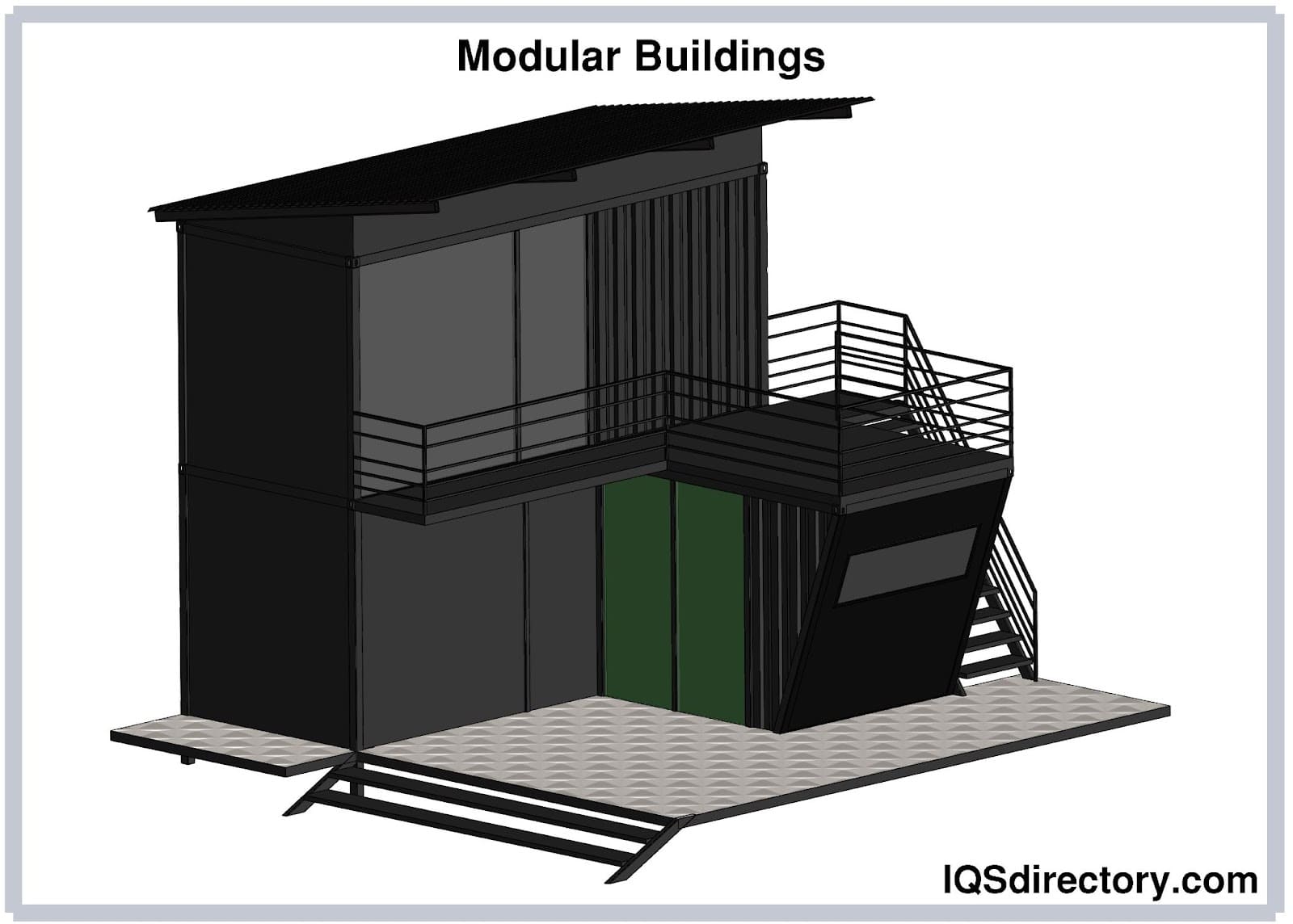
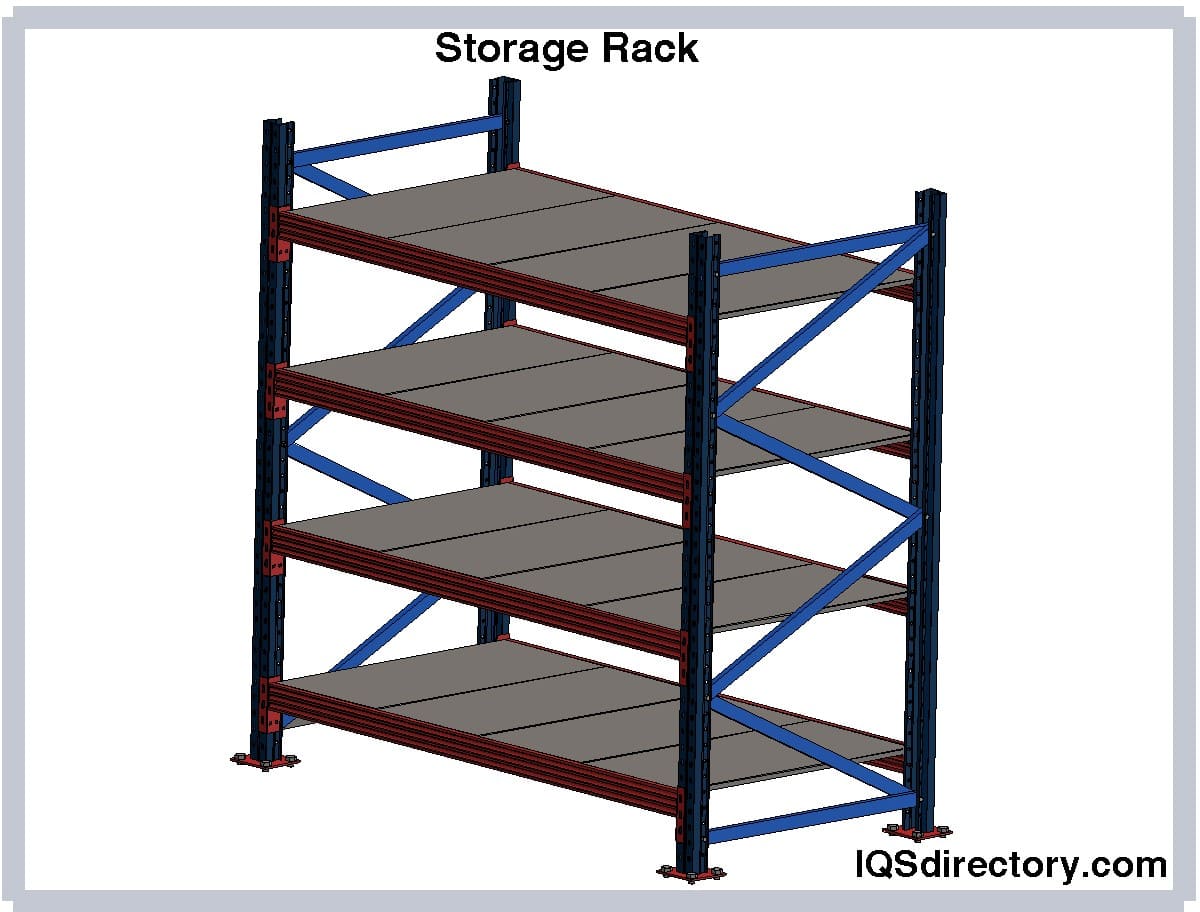


 55 Gallon Drums
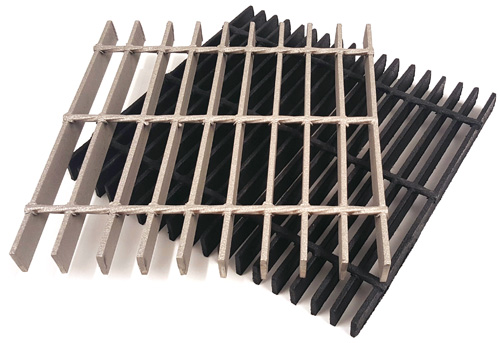 Floor Gratings
 Mezzanines
 Modular Buildings
 Plastic Containers
 Plastic Pallets
 Plastic Tanks
 Steel Shelving
 Stainless Steel Tanks
 Storage Racks
 Work Benches
 Castings & Forgings
 Bulk Material Handling
 Electrical & Electronic Components
 Flow Instrumentation
 Hardware
 Material Handling Equipment
 Metal Cutting Services
 Metal Forming Services
 Metal Suppliers
 Motion Control Products
 Plant & Facility Equipment
 Plant & Facility Supplies
 Plastic Molding Processes
 Pumps & Valves
 Recycling Equipment
 Rubber Products & Services